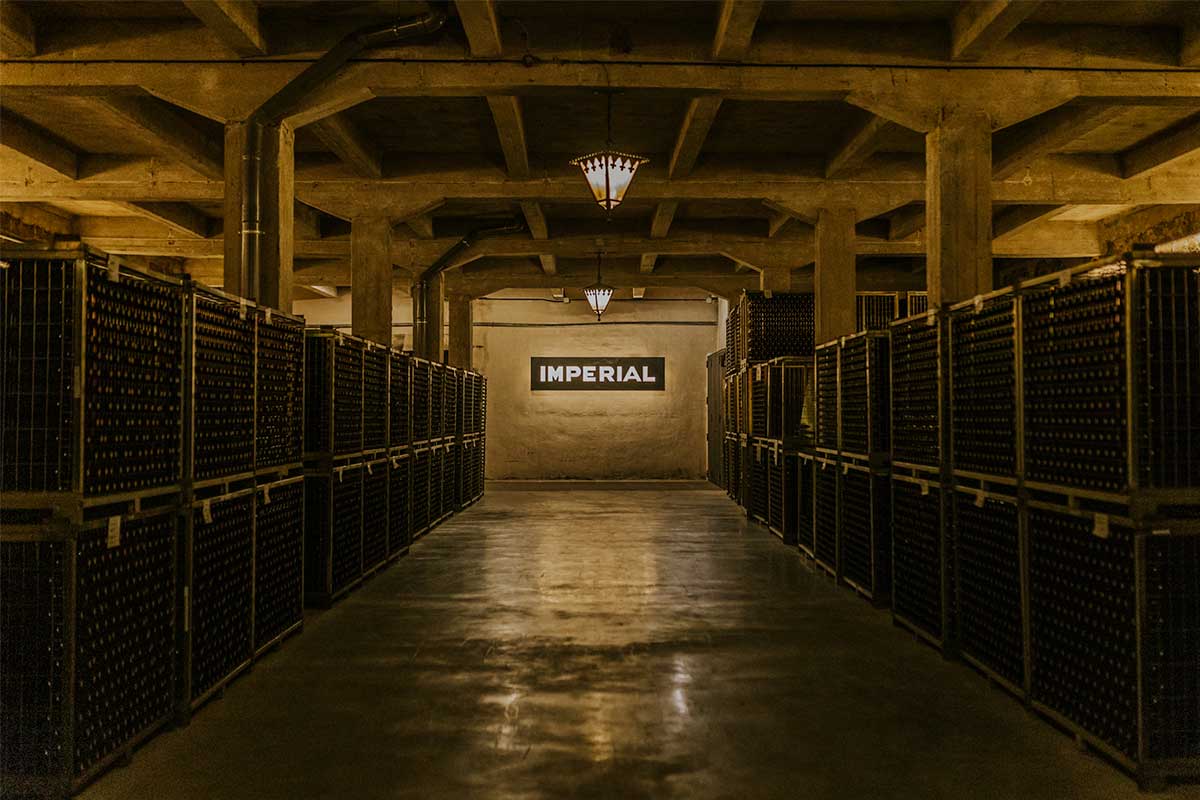
The senior editor of the American publication, Jacobo García Andrade, has written an article featuring a vertical tasting of ten vintages of Imperial Gran Reserva and analysing the evolution of this iconic CVNE wine from 2009 to 2019.
JamesSuckling.com senior editor Jacobo García Andrade has devoted an extensive report to Imperial Gran Reserva under the title Rioja Focus: CVNE’s Imperial Vision, a journey through the history, evolution and ability of this iconic CVNE wine to express the particularities of each vintage.
To prepare the report, García Andrade conducted a vertical tasting of ten vintages of Imperial Gran Reserva, from 2009 to 2019, with the exception of the 2013 vintage, a year in which the wine was not produced. The aim was to analyse how Imperial responds to the different climatic and viticultural conditions of each harvest and how these are reflected in the wine’s final character.
The critic notes that “in many respects, Imperial’s evolution reflects the transformation of Rioja over the past century.” In the article, he recalls that the first vintage of Imperial was 1917 and explains that its name comes from a special bottle intended for the British market, known as the “Imperial Pint”, with a capacity of 56.8 cl.
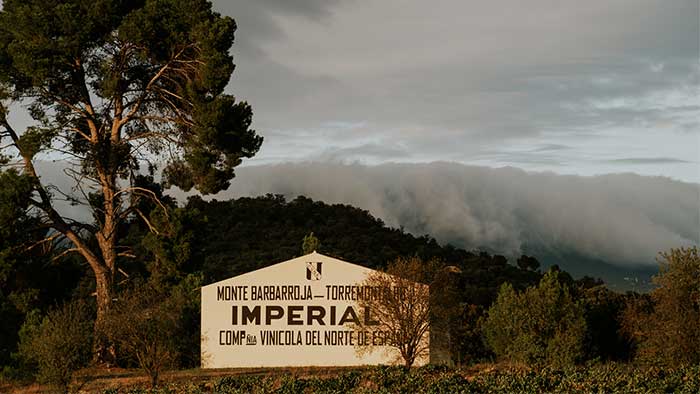
The report also explores the origin of the grapes that make up Imperial’s coupage. Today, they come from three key areas of Rioja Alta: Villalba, whose sandy soils rich in limestone provide tension and freshness; Torremontalbo, which contributes structure and depth thanks to its clay and alluvial soils; and Briones, which serves as a point of balance between the two profiles. All the vineyards are owned by CVNE, are bush-trained and are more than 40 years old.
In this journey through the wine’s history, García Andrade also reviews the evolution of its production. Whereas in its early days Imperial was sometimes aged for long periods in 400-litre American oak barrels, occasionally for a decade, today the wine spends approximately two years in barrel —70% French oak and 30% American oak, with around 10% new oak— and completes its ageing with three years in bottle. He also highlights how the wine’s composition has evolved over time, with Tempranillo becoming the predominant variety, accompanied by small proportions of Graciano and Mazuelo.
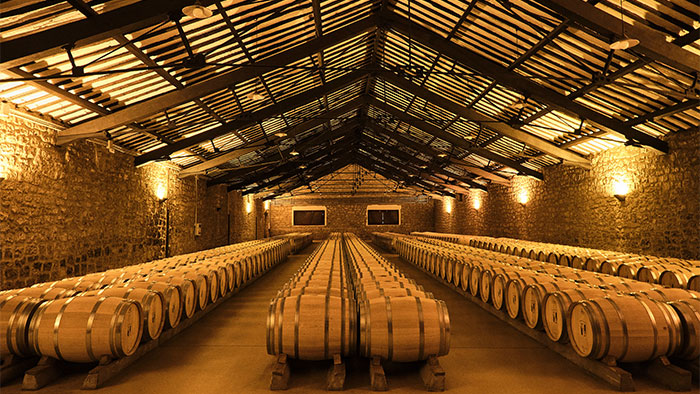
The tasting reveals the diversity of expressions offered by Imperial over a decade marked by both historic harvests and particularly challenging vintages. According to García Andrade, this vertical tasting demonstrates the precision with which Imperial reflects the character of each harvest.
Among all the vintages tasted, the critic particularly highlights 2016 and 2018 as his favourites, awarding them 97 points. He notes that they represent two different sides of Imperial: one more structured and defined, the other more ethereal, fresh and perfumed. However, both share a fundamental virtue: they can be enjoyed today while also showing great ageing potential, one of the hallmarks of great classic Riojas.